When planning a destination wedding, the menu is more than just food—it’s a defining part of the guest experience.
In places like the Algarve, where travel, climate, and culture all play a role, your menu becomes an opportunity to welcome your guests, reflect the setting, and create moments they’ll remember long after the day itself.
But with that comes a different set of considerations than a traditional, local wedding.
So what should you actually be thinking about?
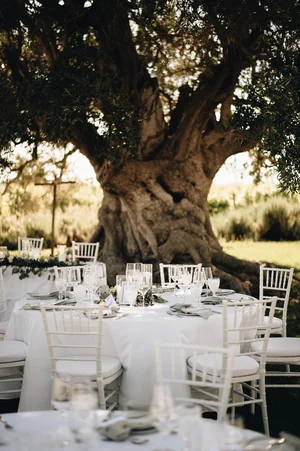
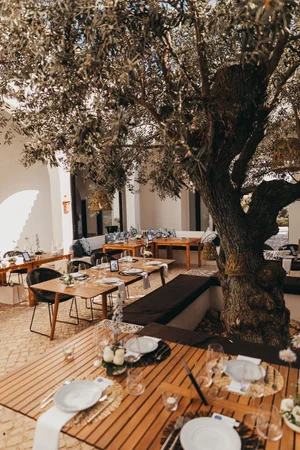
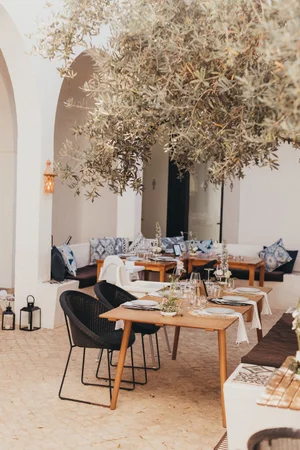
1. Your Guests’ Journey Comes First
Destination weddings typically involve travel, different climates, and long celebration days.
Your guests may arrive:
-
Tired from flights
-
Adjusting to heat
-
Experiencing a new cuisine
Your menu should support them—not overwhelm them.
Think balanced, digestible, and paced:
-
Light starters rather than heavy beginnings
-
Hydrating options (fresh fruits, lighter dishes)
-
A flow that builds naturally throughout the evening
The goal is to keep energy levels up without making the dining experience feel heavy or slow.
2. Climate & Season Matter More Than You Think
Especially in warmer destinations like the Algarve, the temperature will directly affect how food is experienced.
A menu that works perfectly in a cooler climate may feel too rich or intense in the heat.
Consider:
-
Fresh, seasonal ingredients
-
Lighter proteins (fish, seafood, grilled options)
-
Dishes that hold well in warm conditions
Heavy sauces, overly rich plates, or temperature-sensitive dishes can quickly lose their appeal in outdoor settings.
3. Embrace the Destination—But Thoughtfully
One of the biggest advantages of a destination wedding is the ability to incorporate local cuisine.
This adds authenticity and creates a more immersive experience for your guests.
However, balance is key.
Not every guest will be familiar with local flavors or ingredients, so it’s important to:
-
Introduce regional dishes in an approachable way
-
Offer a mix of local and universally loved options
-
Avoid making the entire menu too unfamiliar
It’s about showcasing the destination—not challenging your guests.
4. Dietary Requirements & Inclusivity
With international guest lists, dietary needs become even more important.
You’re likely to have a mix of:
-
Allergies
-
Vegetarian or vegan preferences
-
Cultural or religious dietary restrictions
A well-planned menu should feel inclusive without feeling complicated.
This means:
-
Clearly thought-out alternatives (not last-minute substitutions)
-
Dishes that are intentionally designed, not “adapted”
-
Communication with your planner and caterer well in advance
Guests should feel considered, not accommodated as an afterthought.
5. Service Style Impacts the Atmosphere
The way food is served is just as important as what is served.
Different service styles create completely different dynamics:
-
Plated dinners feel more formal and structured
-
Family-style sharing encourages interaction and a relaxed atmosphere
-
Food stations create movement and a more social, dynamic experience
For destination weddings, especially multi-day celebrations, many couples are moving toward more relaxed, interactive formats.
It aligns with the overall mood—less rigid, more experiential.
6. Timing Is Everything
Destination weddings often don’t follow traditional timelines.
Late ceremonies, sunset cocktails, extended dancing—your menu needs to work with the flow of the day.
Consider:
-
When guests last ate before the ceremony
-
The gap between courses
-
Whether late-night food is needed
A beautifully designed menu can fall flat if the timing doesn’t support it.
7. Presentation & Aesthetic Alignment
Your menu is part of your overall wedding design.
In modern weddings, food presentation is increasingly visual:
-
Colour
-
Plating style
-
Table integration
The way dishes look should align with your overall aesthetic—whether that’s minimal, editorial, rustic, or elevated.
Food is no longer separate from design—it’s part of it.
8. Logistics & Location Constraints
Destination venues often come with unique logistical considerations:
-
Outdoor kitchens or limited facilities
-
Distance from suppliers
-
Timing restrictions
Your menu needs to be realistic for the setting.
An experienced planner will guide you toward options that not only look good on paper, but execute seamlessly on the day.
9. The Experience Beyond Dinner
The menu isn’t just the main meal—it’s the entire culinary journey.
Think about:
-
Welcome drinks and canapés
-
Cocktail hour offerings
-
Late-night snacks
-
The day-after brunch
These moments often become the most memorable parts of the celebration.
10. Make It Personal
Finally, your wedding menu should feel like you.
This could be:
-
A dish that reflects your story
-
A shared favorite meal
-
A nod to your backgrounds or travels
These details don’t need to be obvious—but they make the experience more meaningful.
The Bottom Line
Choosing a wedding menu for a destination wedding is about more than selecting dishes—it’s about designing an experience that supports your guests, reflects your setting, and aligns with the overall feel of your celebration.
When done well, it doesn’t just feed your guests—it becomes part of the atmosphere, the memory, and the story of the day.
At Algarve Dream Weddings, we work closely with our couples and catering partners to create menus that feel effortless, thoughtful, and completely aligned with the destination—because great weddings are experienced, not just seen.